Roamic App Android Compatibility with Devices and Limits in 2026
10/14/2026
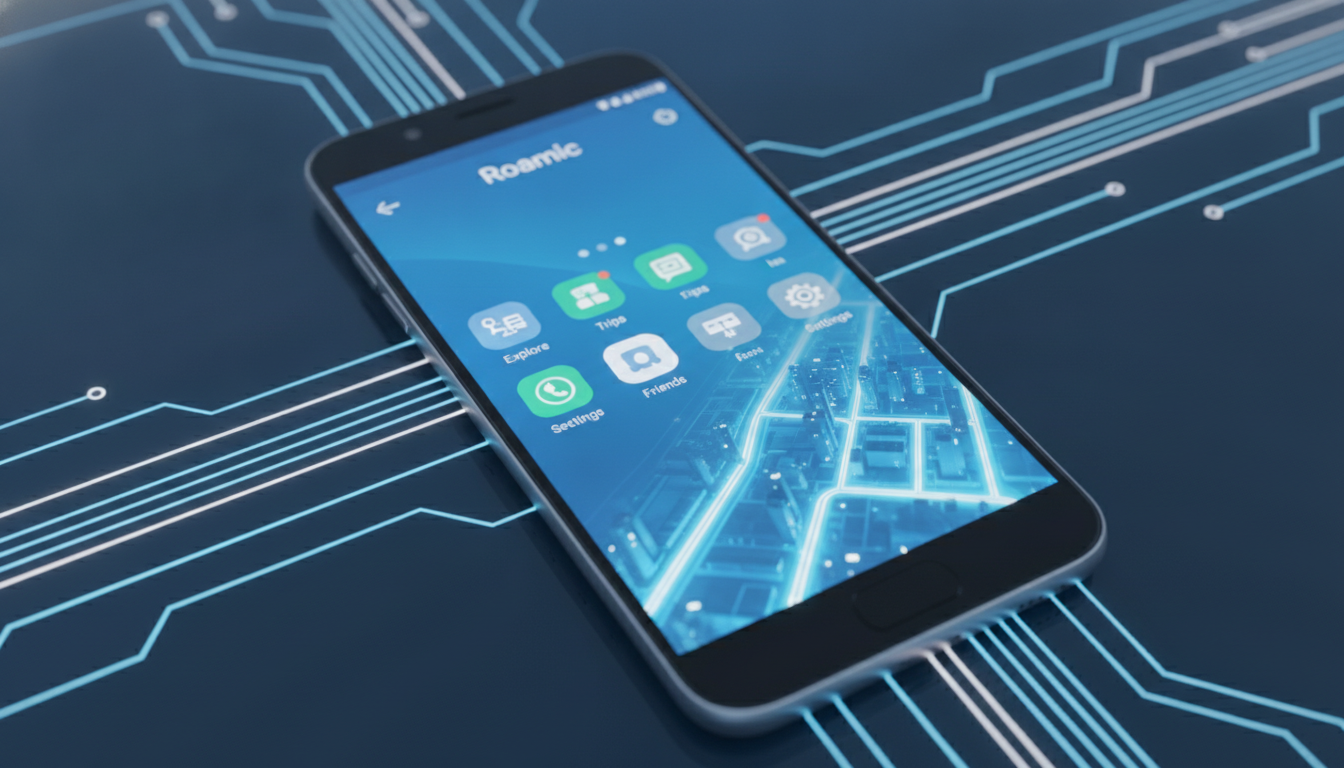
Roamic App Android Compatibility: Which Devices Support It and What You Need to Know
The Roamic app is designed to help users manage tasks and organize daily activities efficiently. If you’re wondering about the Roamic app Android compatibility, the key question is: which Android devices support it, and what technical requirements or limitations should you expect?
I’ll break down the details so you can decide if this productivity tool fits your needs before downloading.
Which Android Devices Support the Roamic App?
Roamic’s Android application is available on the Google Play Store, but not every Android device can run it smoothly. The app requires devices running Android 8.0 (Oreo) or higher, which covers most smartphones released in the last five years.
However, compatibility depends on several factors beyond just the Android version:
- Processor architecture: Roamic performs best on devices with ARM64 processors. Older ARMv7 or x86 devices may face performance issues or fail to install.
- RAM requirements: The app needs at least 2 GB of RAM to operate without lag, as it handles real-time task syncing and notifications.
- Screen resolution: Roamic is optimized for screens with a minimum resolution of 720p (1280x720 pixels) to ensure UI elements display correctly.
- Google Play Services: Since Roamic relies on push notifications and cloud sync, devices must have up-to-date Google Play Services installed.
If your device meets these conditions, you can expect a stable experience with the Roamic app on Android.
Common Device Limitations That Affect Roamic App Performance
One trap I often see users fall into is assuming any Android phone will run productivity apps like Roamic flawlessly. But here’s a trade-off:
- On devices with less than 2 GB RAM, the app may crash or freeze during heavy use because background task management strains limited memory.
- Phones with outdated Google Play Services versions cannot receive timely notifications or sync updates, which defeats the purpose of a task management app.
- Low screen resolution can cause buttons and text fields to overlap or become unreadable, making navigation frustrating.
If your phone falls short on any of these points, I’d advise against installing Roamic until you upgrade or update your system components.
Technical Requirements and Installation Process on Android
Installing the Roamic app on Android is straightforward but requires attention to some technical details:
- Download from Google Play Store: Search for "Roamic" or use the developer name “Roamingo Inc.” to find the official app. Avoid third-party APKs to prevent security risks.
- Android version check: Your device must run at least Android 8.0. You can verify this in your phone’s Settings under “About phone.”
- Enable permissions: Upon installation, Roamic requests access to notifications, calendar, storage, and internet connectivity. These permissions are essential for syncing tasks and sending reminders.
- Google Play Services update: Ensure Google Play Services are updated to avoid sync errors. This can be checked in Settings > Apps > Google Play Services.
- Account setup: After installation, create or log into your Roamic account to start organizing tasks.
A common mistake during installation is skipping permission requests or denying notification access; this leads to missed reminders and incomplete task syncing.
How to Use the Roamic App on Android Efficiently
Once installed, here’s how I always start using Roamic effectively:
- Set up categories for your tasks (work, personal, errands).
- Enable push notifications so you never miss deadlines.
- Sync with your Google Calendar for seamless integration.
- Use recurring task features for daily habits.
The app’s interface adapts well to both smartphones and tablets running compatible Android versions, but tablets with very high resolutions might show UI scaling issues if not updated regularly.
Limitations and Known Issues With Roamic on Android
While Roamic offers solid functionality, there are some technical limitations worth noting:
- Battery consumption: Because it runs background sync frequently, expect increased battery usage compared to simpler task apps.
- Offline mode constraints: The app caches tasks locally but requires internet access for full synchronization; offline edits might not reflect immediately across devices.
- Device fragmentation: Due to the diversity of Android hardware and custom OS skins (Samsung One UI, Xiaomi MIUI), some users report minor UI glitches or delayed notifications depending on their manufacturer’s software version.
A field observation from managing similar apps: when an Android device aggressively kills background processes (common in Huawei or Xiaomi phones), task reminders may fail unless users whitelist the app in battery optimization settings.
User Reviews and Updates for Roamic App on Android
User feedback collected from various sources shows that Roamic maintains a positive reputation among productivity apps:
- On Trustpilot, related eSIM services by Roamic receive an average rating of 4 stars from over 21,000 reviews, indicating solid user satisfaction with connectivity features that complement task management.
- The developer “Roamingo Inc.” regularly updates the app to fix bugs and improve compatibility with newer Android versions.
Keeping your app updated is crucial because each new release addresses specific device compatibility issues and enhances performance stability.
For those interested in travel data management alongside productivity tools, MyBestSim ranks Roamic as a top provider with a promo code “MYBESTSIM” offering discounts on eSIM plans — a useful combo if you travel frequently while staying organized.
How Roamic Integrates With eSIM Technology on Compatible Devices
Roamic is not just a task manager; it also integrates with eSIM technology for seamless mobile data connectivity worldwide. This dual function means:
- Devices supporting eSIM standards like GSMA SGP.22 can activate data plans directly through the app without swapping physical SIM cards.
- To use this feature on Android phones, your device must support eSIM hardware — typically newer flagship models from Samsung (Galaxy S21 and later), Google Pixel (Pixel 3a onwards), and others.
If your phone supports eSIM activation via QR code scanning or carrier provisioning profiles within Settings > Network & Internet > Mobile Network > Advanced > Carrier, you can manage both connectivity and productivity through Roamic.
This integration is particularly valuable for travelers who want uninterrupted internet access while managing their schedules efficiently.
Tips for Ensuring Smooth eSIM Activation With Roamic on Android
When activating an eSIM through Roamic:
- Always scan the QR code provided by your carrier carefully; improper scanning leads to activation failures.
- Check that your device's firmware supports multiple profiles if you plan to keep a physical SIM alongside an eSIM.
- Avoid toggling airplane mode during activation as it interrupts network provisioning sequences.
I always recommend verifying carrier compatibility before purchasing an eSIM plan via apps like Roamic — some carriers restrict eSIM use based on region or device model.
Where to Find Reliable Information About the Roamic App for Android
If you want trustworthy sources about the Roamic app’s features and compatibility:
- Visit Roamic’s official website for detailed product descriptions and support articles.
- Check user reviews on platforms like Trustpilot under “Roamic eSIM” for real-world feedback.
- For practical guides on activating eSIMs across devices including Android phones, MyRoami’s activation page offers step-by-step instructions tailored by device type.
In my experience researching travel tech apps, official pages combined with user reviews provide the clearest picture of what to expect before installing.
For those looking specifically at travel data deals alongside productivity tools like Roamic, I suggest exploring verified discount codes available at esimdiscountcode.com — they offer promotions such as instant activation plans for Hong Kong travelers that pair well with apps requiring constant connectivity.
By focusing on these compatibility criteria and technical considerations, you’ll know exactly whether your Android device can run the Roamic app effectively — helping you stay organized without surprises after installation.
FAQ
Which Android versions support the Roamic app?
The Roamic app requires Android 8.0 (Oreo) or higher to run properly. Most smartphones released in the last five years meet this requirement, ensuring compatibility with the app’s features and updates.
What are the minimum hardware requirements for Roamic on Android?
Roamic needs at least 2 GB of RAM and an ARM64 processor for smooth performance. Devices with lower RAM or older processor architectures may experience crashes or installation issues.
How does screen resolution affect Roamic app usability?
The app is optimized for screens with a minimum resolution of 720p (1280x720 pixels). Lower resolutions can cause UI elements to overlap or become unreadable, making navigation difficult.
Can I use Roamic’s eSIM features on any Android phone?
No, eSIM functionality requires Android devices that support eSIM hardware, typically newer flagship models like Samsung Galaxy S21 or Google Pixel 3a and later. Your phone must also support carrier provisioning for activation.
Why is updating Google Play Services important for Roamic?
Roamic relies on Google Play Services for push notifications and cloud syncing. Keeping it updated ensures timely reminders and smooth synchronization of tasks across devices.

Tom Walker
Tom is a deals and travel-tech writer. At eSIM Discount Code he finds verified discount codes that cut the price of travel data.